
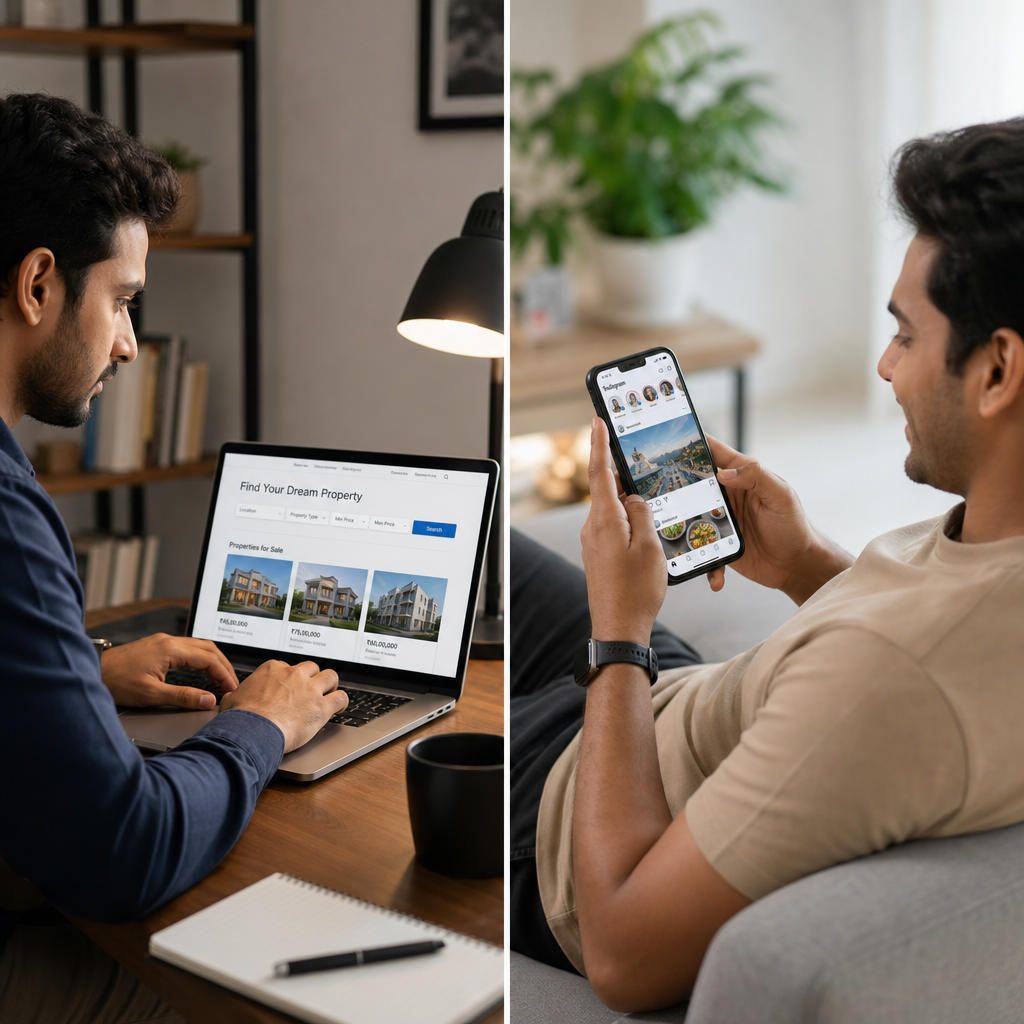
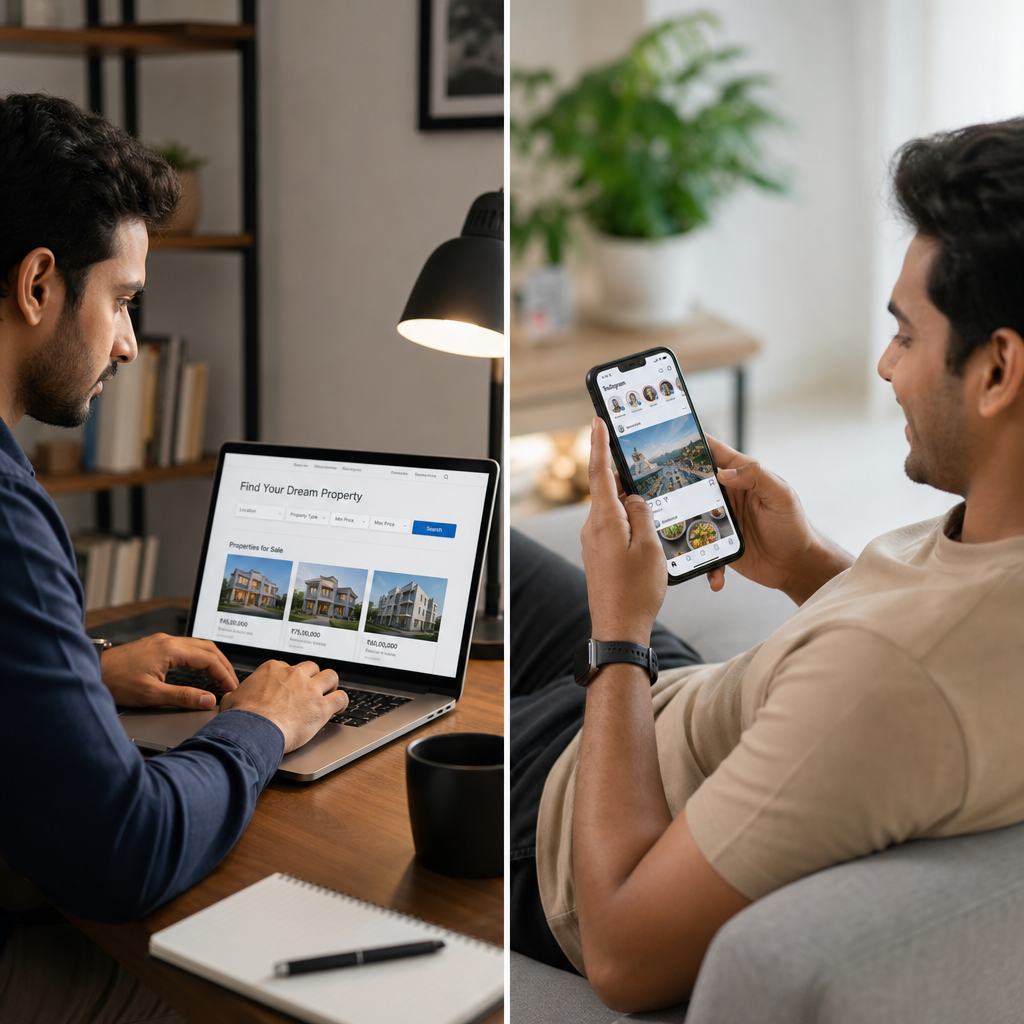
Ask ten real estate agents in Australia which digital ad channel delivers better leads and you will get ten different opinions, most of them based on gut feeling rather than data. The question of Google Ads vs social media ads real estate professionals should choose is not academic. It directly affects how many qualified buyers and sellers call your office this quarter. The honest answer is that one platform consistently outperforms the other for bottom-of-funnel intent, and the data makes a clear case. This article breaks down exactly where each channel wins, where it wastes budget, and how Australian real estate agencies should be splitting their spend right now.
Table of Contents
- Quick Takeaways
- How Each Platform Captures Leads
- Google Ads Strengths for Real Estate
- Social Media Ads Strengths for Real Estate
- Cost Per Lead: The Real Numbers
- Platform Comparison Table
- Which Channel Wins for Australian Real Estate
- How to Combine Both Without Wasting Budget
- Frequently Asked Questions
- References
Quick Takeaways
| Key Insight | Explanation |
|---|---|
| Google Ads captures active buying intent | Someone searching “houses for sale Brisbane” is ready to act. Social media users are browsing passively and rarely at that decision stage. |
| Social ads build brand awareness more efficiently | Facebook and Instagram allow hyper-targeted demographic reach for a fraction of the display cost, which is useful for new agencies entering a suburb. |
| Average cost per lead on Google Search for real estate is $20-$80 in Australia | This varies by suburb competitiveness, but intent-driven clicks convert far higher than social traffic, making the cost defensible. |
| Remarketing bridges the gap between both platforms | Running Google Ads for initial capture then retargeting those visitors on Facebook dramatically increases conversion rates without doubling the budget. |
| Social ads excel for listing promotion and appraisal generation | Carousel ads showing a property to a local demographic work well for appraisals because sellers are not yet searching, they need to be interrupted. |
| Google Display and YouTube ads serve a middle-funnel role | They are not as strong as Search for immediate leads but keep your agency top of mind between a buyer’s first search and their final decision. |
| Budget allocation matters more than channel choice alone | Agencies spending $500/month on the wrong keyword match types on Google will lose to a competitor spending $300/month correctly. |
How Each Platform Captures Leads
The core mechanical difference between Google Ads and social media ads is the direction of intent. Google Ads intercepts demand that already exists. When a potential buyer types “2 bedroom apartment for sale Parramatta”, they have already decided they want to move. Your ad appears at the moment of maximum motivation.
Social media ads, by contrast, create demand by interrupting someone who was looking at a friend’s photo or a news article. Facebook and Instagram can target that person based on age, income bracket, suburb, and life event signals like a recent marriage or new job, but none of that means they were about to search for a property. The intent has to be manufactured through creative and repetition.
In practice, this distinction determines conversion rates more than any other variable. HubSpot’s marketing research consistently shows that search-intent traffic converts at two to three times the rate of interruption-based traffic across service industries, and real estate is no exception.
Pro tip: If your goal this quarter is signed vendor agreements or settled buyer transactions, prioritise Google Search campaigns first. If your goal is growing your agency’s name recognition in a new suburb, social display is the more cost-effective starting point.
Google Ads Strengths for Real Estate
Google Ads delivers three specific advantages that matter enormously to real estate agents in Australia and New Zealand.
Immediate Access to High-Intent Buyers and Sellers
A buyer typing “real estate agents Bondi” is shopping for an agent right now. Your Google Search ad puts you in front of that person above all organic results, including portals like realestate.com.au. For sellers searching “how much is my house worth [suburb]”, a well-structured Search campaign with a free appraisal landing page can generate vendor leads within hours of going live.
The data consistently shows that search campaigns for real estate generate inquiry-to-appointment rates of 15-25% when the landing page is properly matched to the keyword. Social media traffic to the same landing page rarely exceeds 5-8% without heavy retargeting.
Granular Geographic Targeting by Suburb
Google Ads allows radius targeting down to a single postcode, which is critical in real estate where a 5-kilometre difference in location means a completely different market. An agency operating in Paddington, NSW does not want their ad budget spent on someone in Liverpool. Radius targeting combined with suburb-specific keywords keeps every dollar working within the agent’s actual farm area.
Performance Measurement Without Guesswork
Every Google Ads account shows exactly which keywords generated phone calls, form fills, and chat interactions. This means an agency managing $500/month can identify within two weeks which keywords are generating appraisal requests and which are wasting spend on tyre-kickers. Social media platforms track reach and engagement reliably, but attributing a vendor call directly to a specific Facebook ad is far messier without advanced pixel setups.
Pro tip: Set up Google Ads call tracking with a dedicated number for your campaign. After 30 days you will know the exact cost per inbound call, which makes budget decisions straightforward and defensible to principals and directors.
Social Media Ads Strengths for Real Estate
Social media advertising is not inferior, it is simply built for different objectives. Dismissing it entirely is as much a mistake as relying on it exclusively for lead generation.
Seller Appraisal Generation Through Demographic Interruption
Potential vendors are not searching “how to sell my house” every day. They are thinking about it while scrolling Facebook on a Sunday afternoon. A carousel ad showing recent sold results in their suburb, targeting homeowners aged 35-65 within a 3-kilometre radius of your office, can generate appraisal requests from people who would never have found you through search. This is one of the most underused applications of social ads among Australian real estate agencies.
Listing Promotion to Local Buyers
Facebook and Instagram’s visual formats make property listings come alive in ways that text-based search ads cannot. A well-produced listing ad showing a renovated kitchen with natural light, targeted to people who have recently searched for property or live in adjacent suburbs, is an effective awareness driver. The goal here is not direct conversion but staying visible while the buyer is in their research phase.
Brand Building for New or Smaller Agencies
A new agency competing against established players in a suburb cannot outbid them immediately on Google Search. Social ads allow that agency to build local name recognition at a lower cost per thousand impressions. After 60-90 days of consistent presence, the agency’s name becomes familiar, which then increases the click-through rate on any Google Search campaigns they subsequently run.

Cost Per Lead: The Real Numbers
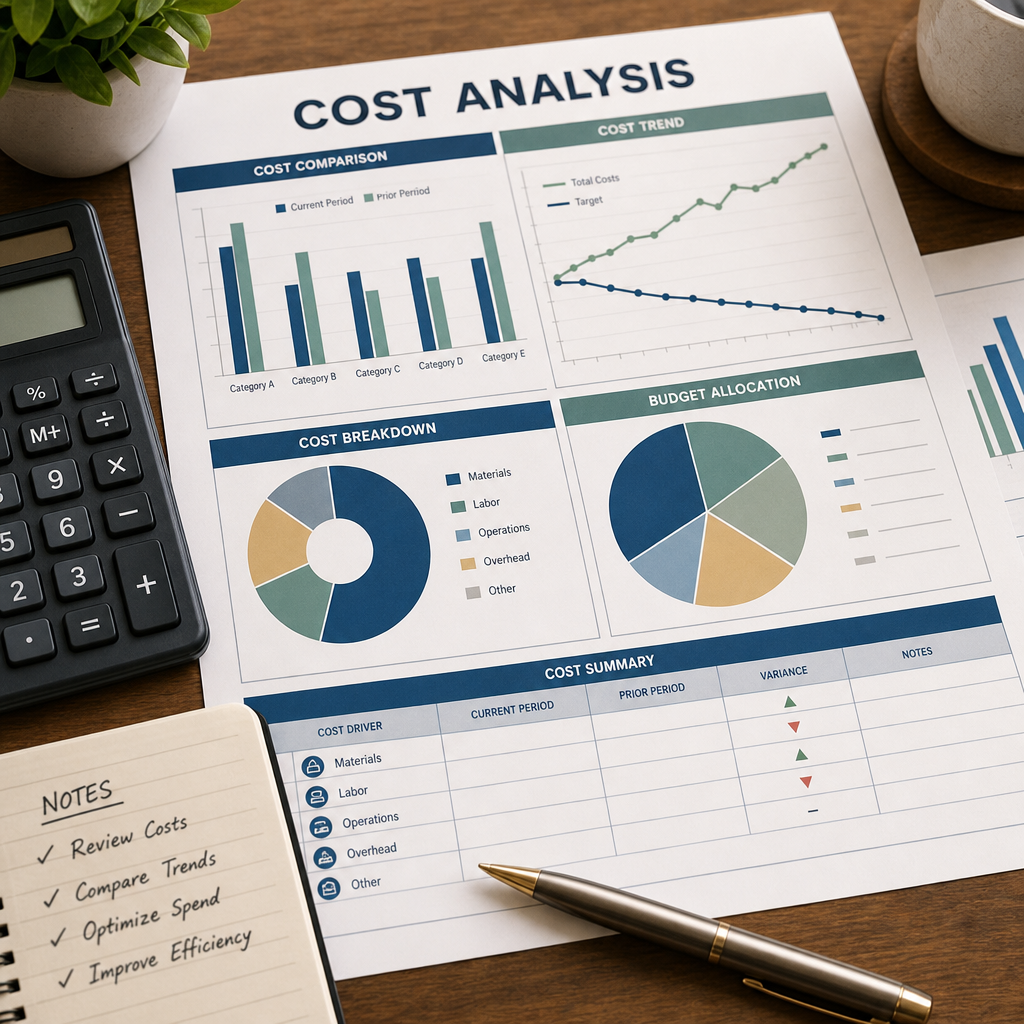
Industry averages matter less than your specific account data, but benchmarks provide a useful starting point for planning. Based on campaign data across Australian real estate markets, here is what agencies should realistically expect.
Google Search campaigns in competitive Sydney and Melbourne suburbs typically cost between $4.00 and $12.00 per click, with conversion rates of 10-20% on well-built landing pages. That translates to a cost per lead of approximately $30-$80 for buyer inquiries and $50-$120 for vendor appraisal requests, where competition for seller attention is higher.
Facebook and Instagram lead generation campaigns for real estate in Australian metro areas typically produce leads at $15-$40 each using native lead forms. However, the quality difference is significant. Google leads are usually further along the decision process because they initiated the search. Social leads often require two to four follow-up contacts before an appointment is secured.
A common mistake is comparing cost per lead across platforms without accounting for lead quality. An agency paying $80 for a Google Search vendor lead that converts to a listing at $18,000 commission is getting a far better return than paying $20 for a social lead that requires six follow-up calls and converts at half the rate.
“The best marketing doesn’t feel like marketing” – Seth Godin. In real estate, that means meeting the buyer or seller at the exact moment they are already looking for you, which is precisely what Google Search does.
Platform Comparison Table
| Factor | Google Search Ads | Facebook and Instagram Ads |
|---|---|---|
| Lead Intent Level | High. User is actively searching for an agent or property. | Low to medium. User is interrupted while doing something else. |
| Best Use Case | Buyer inquiries, vendor appraisal requests, rental management leads | Brand awareness, listing exposure, appraisal requests via demographic targeting |
| Average Cost Per Lead (Australia) | $30-$120 depending on suburb competitiveness | $15-$40 using native lead forms |
| Lead Quality | High. Decision is usually imminent. | Variable. Often requires significant nurturing before appointment. |
| Setup Complexity | Medium to high. Keyword strategy and bidding require expertise. | Medium. Creative and audience selection drive performance. |
| Time to First Lead | 24-72 hours after campaign launch | 24-48 hours, but qualification takes longer |
| Attribution Clarity | High. Call tracking and conversion goals are straightforward. | Medium. Multi-touch attribution is harder to verify without advanced setup. |
Which Channel Wins for Australian Real Estate
For generating qualified leads from buyers and sellers who are ready to act within 30 to 90 days, Google Ads wins clearly. This is not a close contest for bottom-of-funnel performance. The intent signal is simply too strong to ignore, and the attribution data makes campaign optimisation far more precise.
The practical reality in the Australian market is that real estate search volume is enormous and consistent. According to Statista, Australians conduct millions of property-related searches each month, with consistent spikes around spring listing seasons. That search volume represents real people with real timelines, and Google Search is the only ad platform that reaches them at that precise moment.
Where social media genuinely wins is in the awareness and vendor generation space, particularly for appraisals. Sellers are a harder audience to reach through search alone because many of them do not know they are ready to sell until something triggers that decision. A well-placed Facebook ad showing your agency’s recent results in their street can be that trigger.
For agencies in New Zealand, the same principles apply. Auckland and Wellington search volumes are lower than Sydney or Melbourne, which actually makes Google Ads more accessible because competition for keywords is less fierce and cost per click is lower. That makes it an even stronger starting channel for NZ agencies with smaller budgets.
How to Combine Both Without Wasting Budget
The most effective approach for established Australian real estate agencies is a sequenced strategy, not a parallel one where equal budget flows to both channels simultaneously without a plan.
Start With Google Search to Build a Converting Lead Pipeline
Allocate 70% of your digital advertising budget to Google Search campaigns targeting buyer and seller keywords in your specific suburbs. At $99-$299/month in management fees plus ad spend, this is accessible even for boutique agencies. Build your landing pages to match each keyword group, and set up conversion tracking before spending a dollar on clicks.
Use Remarketing to Re-Engage Search Visitors on Social
Anyone who visits your site from a Google Ad and does not convert becomes a remarketing audience on Facebook and Instagram. This is where the two platforms work together most powerfully. You pay Google to attract high-intent visitors, then spend a fraction of that budget to stay visible to those same people on social media while they make their decision. Remarketing campaigns typically convert at three to five times the rate of cold social audiences because you are targeting people who already showed intent.
Add Social Prospecting for Appraisal Generation
Once your Google pipeline is generating consistent buyer leads, allocate 20-30% of your budget to Facebook demographic campaigns specifically targeting homeowners in your farm area. Use recent sold price data and suburb-specific creative to generate appraisal requests from sellers who are not yet searching. This fills the top of your vendor pipeline without competing solely on search volume.
Pro tip: At AusPromotion, campaigns are structured so that Google Search handles intent capture, YouTube pre-roll ads handle middle-funnel brand reinforcement, and remarketing handles re-engagement, all within a single coordinated account. This multi-touchpoint approach means your agency appears at every stage of a buyer or seller’s decision journey, not just at the search stage.
A common mistake agencies make is running both channels in isolation with separate agencies, separate tracking, and no shared data. When Google and social campaigns share audience lists and conversion data through properly linked accounts, every optimisation decision improves both channels simultaneously.
Frequently Asked Questions
Is Google Ads or Facebook Ads better for real estate agents in Australia?
For generating buyer and seller leads from people who are actively ready to transact, Google Ads performs better. Facebook is more effective for building brand awareness in a specific suburb and for reaching potential vendors who are not yet actively searching. Most agencies in Australia benefit from starting with Google Search and adding Facebook remarketing once the base campaign is working.
How much should a real estate agency spend on Google Ads per month?
A minimum realistic monthly ad spend in competitive Australian metro suburbs is $500-$1,500 in addition to management fees. Boutique agencies in regional areas or smaller NZ markets can get meaningful results at $300-$500/month because keyword competition and cost per click are lower. Spending less than $300/month on ad spend generally does not produce enough data to optimise the campaign effectively.
What keywords should real estate agents target on Google Ads?
The highest-converting keywords follow the pattern of service plus location, for example “real estate agents [suburb]”, “homes for sale [suburb]”, “property appraisal [suburb]”, and “houses for sale [suburb]”. Avoid broad single-word keywords like “property” or “real estate” without location modifiers. They generate high click volumes from irrelevant traffic and burn through budget quickly. Use exact match and phrase match types rather than broad match for tighter control.
How long does it take for Google Ads to generate real estate leads?
A properly structured Google Search campaign targeting the right keywords in the right locations typically generates its first inquiries within 24-72 hours of launch. However, meaningful data for optimisation requires 30 days of running. Agencies should not make major changes in the first two weeks. Let the algorithm gather click data before adjusting bids, pausing keywords, or changing landing pages.
Can real estate agents in New Zealand use the same Google Ads strategies as Australian agencies?
Yes, with adjustments for market size and search volume. New Zealand cities, particularly Auckland, Wellington, and Christchurch, have lower keyword competition than Sydney or Melbourne, which means lower cost per click and more accessible budgets. The keyword structures, landing page principles, and campaign architecture are identical. The main adjustment is using NZD pricing benchmarks and ensuring location targeting is set specifically to NZ postcodes rather than broad country-level targeting.
What is the best digital ads strategy for real estate agents who are new to paid advertising?
Start with one focused Google Search campaign targeting three to five high-intent keywords in your primary suburb. Do not try to cover your entire service area in week one. Build a single dedicated landing page for that campaign, set up call tracking, and run it for 30 days before expanding. This approach gives you clean data and prevents the budget dilution that kills most first-time campaigns before they have a fair chance to perform.
Have you run Google Ads or social media ads for your real estate agency? Share what worked, what did not, and what you wish you had known before spending your first dollar on digital advertising.
References
- HubSpot marketing research and conversion rate benchmarks across digital advertising channels
- Statista data on Australian property search volumes and digital advertising spend trends
- Forbes analysis of digital advertising ROI across real estate and service industries
- Ahrefs research on search intent categories and how purchase-intent keywords differ from informational queries
- Moz learning resources on search behaviour and keyword intent classification for local service businesses