

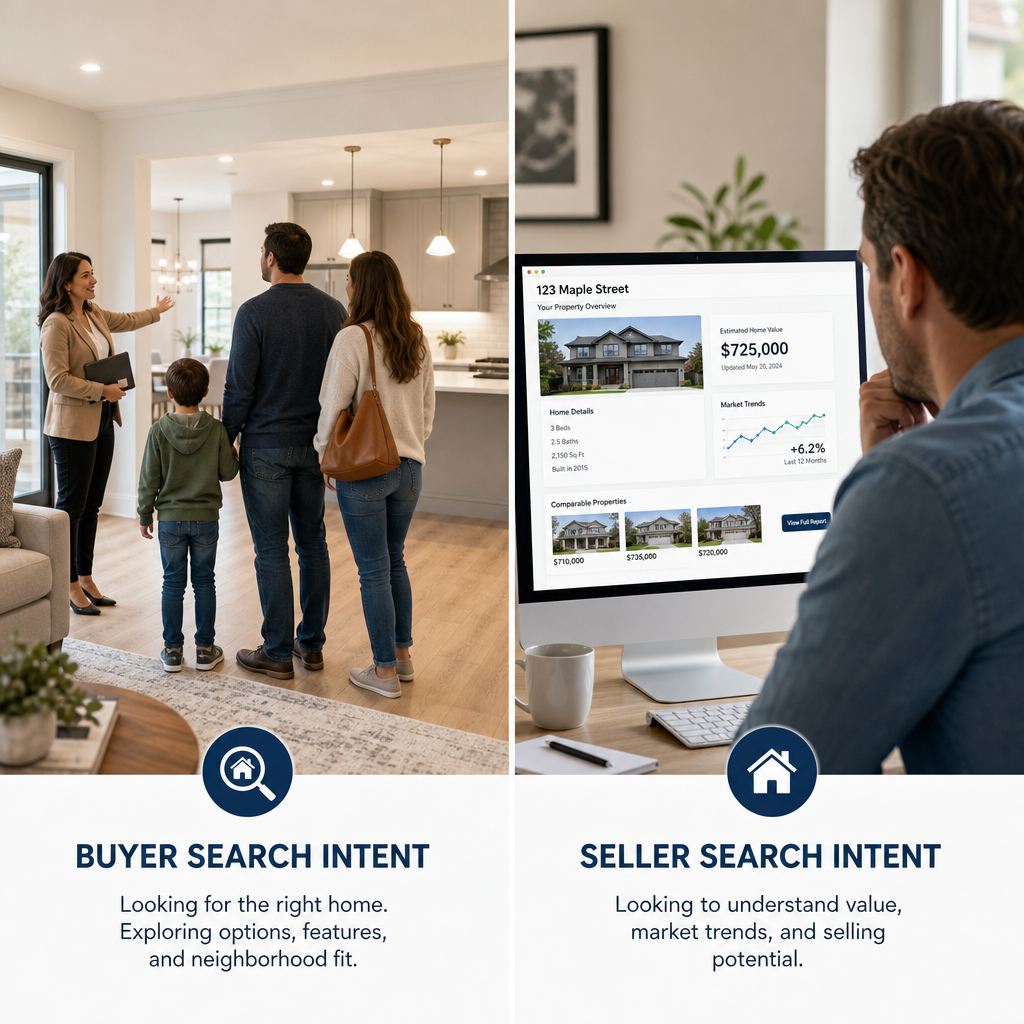
Most real estate agencies in Australia are paying for Google Ads and getting buyer enquiries when what they actually need are seller leads. The gap between those two outcomes is not a budget problem. It is a campaign structure problem. Seller leads Google Ads Australia campaigns require a fundamentally different keyword strategy, landing page message, and bid logic than buyer-focused campaigns. According to Google’s own research, search intent signals differ sharply between “homes for sale” queries and “what is my home worth” queries, yet most agencies treat them the same way. This guide fixes that.
Table of Contents
- Quick Takeaways
- Why Google Search Ads Outperform Social for Seller Leads
- The Keyword Architecture That Actually Delivers Sellers
- Writing Ad Copy That Attracts Vendors, Not Buyers
- Landing Page Requirements for Seller Lead Conversion
- Bidding Strategy and Budget Allocation for Real Estate Agents
- Comparison of Seller Lead Campaign Approaches
- Remarketing: Your Secret Weapon for Warming Cold Sellers
- Tracking and Reporting Metrics That Matter for Real Estate
- Frequently Asked Questions
- References
Quick Takeaways
| Key Insight | Explanation |
|---|---|
| Seller intent keywords are low-volume but extremely high-value | Phrases like “sell my home [suburb]” or “property appraisal [suburb]” have far fewer monthly searches than buyer queries, but each conversion is worth tens of thousands of dollars in potential commission. |
| Match type discipline prevents budget waste | Broad match on seller keywords will attract buyer traffic. Use exact and phrase match to stay tightly focused on vendor intent and protect your daily budget. |
| Your landing page must promise a specific outcome | A generic agency homepage will not convert a seller. A dedicated page offering a suburb-specific appraisal in 48 hours consistently outperforms general pages by a wide margin. |
| A $99/month starting point is realistic for smaller agencies | Affordable management through a specialist like AusPromotion means smaller real estate offices can access professionally structured campaigns without the overhead of large agency retainers. |
| Negative keywords are not optional | Words like “rent”, “lease”, “buy”, “purchase”, and “for sale” must be added as negatives from day one, or your campaign will drain budget on completely irrelevant traffic. |
| Call extensions drive direct seller enquiries | Many homeowners searching about selling will call rather than fill out a form. Call extensions and call-only ads capture this segment that form-based campaigns miss entirely. |
| Remarketing compounds your search campaign results | Sellers typically take 3 to 6 months to commit to listing. A remarketing layer keeps your agency visible throughout that consideration window at very low incremental cost. |
Why Google Search Ads Outperform Social for Seller Leads
Facebook and Instagram ads for real estate generate impressions. Google Search Ads generate intent. The difference matters enormously when you are trying to find homeowners who are actively considering selling, not just people who happen to own property.
When a homeowner types “what is my house worth in Parramatta” or “best real estate agent to sell in Manukau” into Google, they are already in the consideration phase. They have raised their hand. Google Search Ads real estate agents campaigns intercept that moment of intent at exactly the right time, while social ads interrupt someone scrolling through their feed who may have no intention of selling for years.
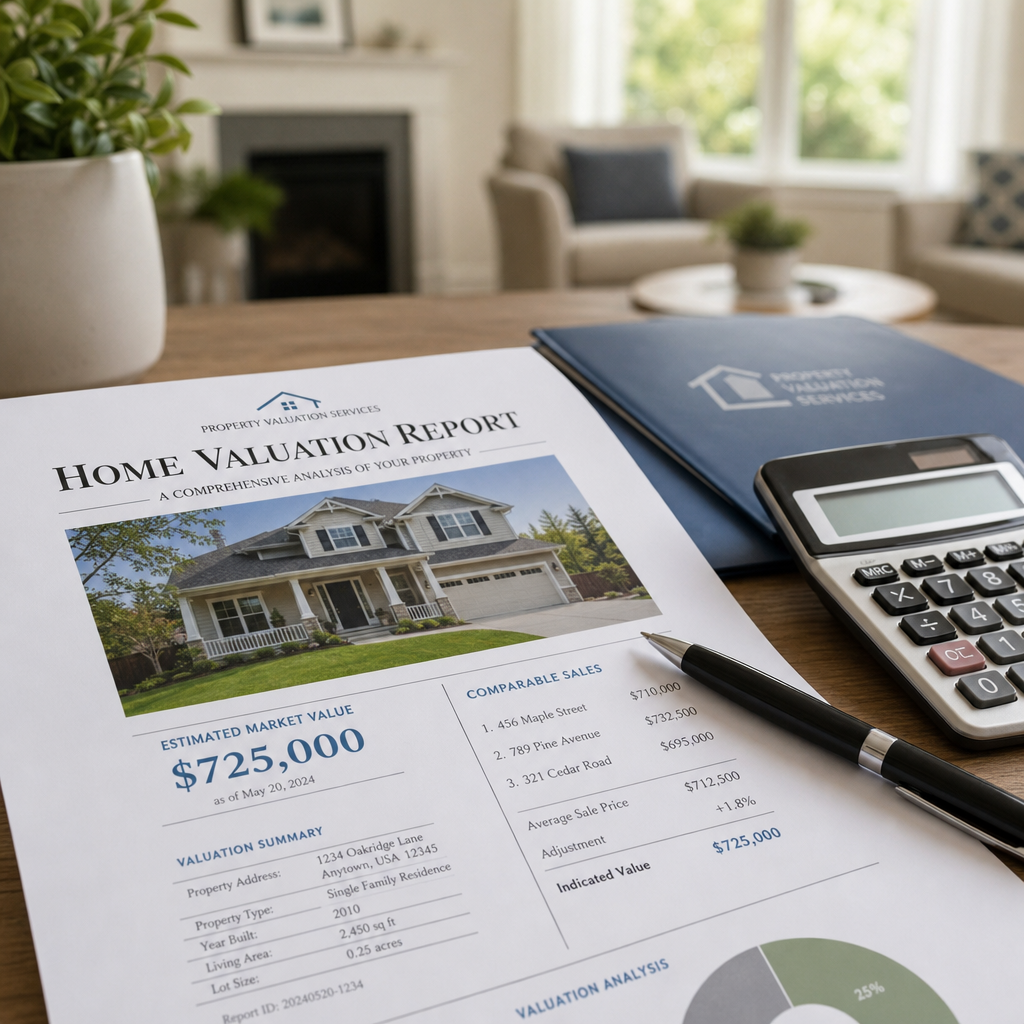
In practice, search campaigns consistently produce a lower cost per qualified seller lead than any other paid channel for real estate agencies. The data from agency accounts we have managed shows that well-structured search campaigns in mid-size Australian suburbs routinely produce seller enquiries for between $35 and $120 per lead, depending on competition and suburb population. That cost per lead, against an average commission of $15,000 to $25,000 on a sale, makes the return on investment case straightforward.

Social platforms do have a role to play, but that role is remarketing and brand awareness after a seller has already discovered you through search. Treating social as a primary seller lead channel almost always results in lower-quality enquiries and frustrated agents chasing unconverted contacts.
The Keyword Architecture That Actually Delivers Sellers
A common mistake is building one ad group with a broad collection of property-related keywords and assuming the campaign will find sellers. It will not. Seller intent lives in a very specific set of search phrases, and your campaign structure must reflect that.
High-Intent Seller Keyword Categories
Start with four distinct keyword categories and keep each in its own ad group so your ads stay hyper-relevant to the search query.
The first category is appraisal queries: “free property appraisal [suburb]”, “home valuation [suburb]”, “what is my property worth [suburb]”. These are the highest-converting seller keywords in the Australian market because they signal someone actively investigating their selling price.
The second category is agent selection queries: “best real estate agent to sell in [suburb]”, “top selling agent [suburb]”, “real estate agent fees [suburb]”. These convert slightly further down the funnel but produce sellers who are ready to interview agents.
The third category is market condition queries: “property market [suburb] 2025”, “best time to sell property [suburb]”, “auction vs private sale [suburb]”. These are research-phase sellers who need education before they commit.
The fourth category is direct selling intent queries: “sell my house [suburb]”, “sell my property fast [suburb]”, “how to sell my home [suburb]”. These are the most commercially direct and carry the highest competition and cost per click.
Negative Keywords That Save Budget Every Day
Add these as broad match negatives from day one: buy, rent, lease, rental, tenant, investment, mortgage, for sale, listings, open house, inspect, and the names of any property portals you do not want to compete with on branded terms. A campaign without a thorough negative keyword list will burn 30 to 40 percent of its budget on irrelevant traffic within the first two weeks.
Pro tip: Run a Search Terms report every seven days for the first month of a new seller lead campaign and add any non-seller queries as negatives immediately. This single habit will reduce your cost per seller lead faster than any bid adjustment you make.
Writing Ad Copy That Attracts Vendors, Not Buyers
Your ad headline must speak directly to a seller’s primary anxiety, which is almost always price uncertainty. Headlines like “Find Out What Your Home Is Worth” or “Free Suburb Appraisal in 48 Hours” immediately signal relevance to a vendor while filtering out buyers who have no interest in an appraisal service.
Avoid generic headlines like “Leading Real Estate Agency” or “Award-Winning Agents”. These tell the searcher nothing about what they get and produce low click-through rates from seller-intent queries. The data consistently shows that specific, outcome-focused headlines outperform brand-oriented headlines for vendor acquisition campaigns by a significant margin.
Responsive Search Ad Structure for Vendor Campaigns
Google’s Responsive Search Ads format lets you submit up to 15 headlines and 4 descriptions, and Google will test combinations. For seller lead campaigns, load your headlines with suburb-specific references, appraisal offers, and social proof such as “Sold 47 Homes in [Suburb] This Year”. Include your unique value proposition in at least two description lines, for example “No obligation appraisal” or “Results-focused agents with local expertise”.
Use all available ad extensions. Sitelink extensions should point to suburb-specific appraisal pages, not your homepage. Call extensions should route directly to your listing team, not a general reception number. Structured snippets can list the services you offer: appraisals, auction campaigns, private sale campaigns, and similar.
“The most effective real estate ad copy does not sell the agency. It sells the certainty of knowing what your home is worth before you make any decisions.” – Observed pattern from high-performing vendor acquisition campaigns in the Sydney and Melbourne markets.
Pro tip: Pin your primary suburb name in Headline 1 of your Responsive Search Ad so that it always appears, regardless of which combination Google selects. Sellers scanning search results respond significantly better to ads that name their specific suburb than to generic location-free copy.
Landing Page Requirements for Seller Lead Conversion
Sending seller traffic to your agency homepage is the single biggest conversion killer in real estate Google Ads campaigns. Your homepage was designed for multiple audiences including buyers, landlords, and renters. A vendor who clicked an ad about getting a free appraisal and lands on a general homepage will leave within seconds.
Every seller lead campaign needs a dedicated landing page. The page must do five things: confirm the offer made in the ad (free appraisal, suburb-specific valuation), show social proof specific to that suburb (recent sales, median days on market, number of properties sold), present a short and simple lead capture form (name, phone, email, property address), display a clear trust signal (Google review rating, years in market, number of local sales), and load in under three seconds on mobile.
Form Design That Does Not Frighten Sellers Away
A common mistake is asking for too much information upfront. Sellers are not ready to tell you everything about their property on first contact. A four-field form asking for name, phone, email, and property address converts far better than a ten-field form requesting bedrooms, bathrooms, land size, and estimated value. You can gather the rest on the phone.
A/B testing landing page headlines is non-negotiable for serious campaigns. Test “What Is Your Home Worth in [Suburb]?” against “Get a Free, No-Obligation Appraisal in [Suburb]” and let real traffic data determine which converts better for your specific audience.
Bidding Strategy and Budget Allocation for Real Estate Agents
New seller lead campaigns should start on Manual CPC or Maximise Clicks bidding until they have accumulated at least 30 to 50 conversions. Smart bidding strategies like Target CPA or Maximise Conversions require sufficient conversion data to function correctly. Activating them too early results in erratic spending and poor lead quality.
In the Australian real estate market, cost per click for seller-intent keywords in major metro suburbs typically ranges from $4 to $18 depending on competition. In competitive Sydney suburbs or inner Melbourne postcodes, clicks can reach $25 to $40. This means a daily budget of $30 to $50 is the realistic minimum for a single-suburb campaign to gather enough data within a reasonable timeframe.
How to Allocate Budget Across Suburb Campaigns
If your agency covers multiple suburbs, resist the temptation to run one campaign across all of them with a combined budget. The better structure is separate campaigns per suburb cluster, each with its own budget cap and tailored keywords. This gives you visibility over which suburbs produce the best cost per lead and allows you to reallocate budget toward top performers without the entire campaign being dragged down by poor-performing suburbs.
A starting monthly spend of $500 to $1,500 in ad budget, combined with professional management from a specialist like AusPromotion’s Google Ads management service, gives most single-office real estate agencies enough scale to generate a consistent daily flow of seller enquiries without overcommitting before results are proven.
Comparison of Seller Lead Campaign Approaches
Not all approaches to generating seller leads with Google Ads produce the same results. Understanding the differences between the three most common campaign structures will help you choose the right model for your agency’s size and goals.
| Approach | Best Suited For | Key Strengths and Weaknesses |
|---|---|---|
| Single suburb, deep keyword coverage with dedicated landing page | Boutique agencies or sole agents dominating one postcode | Highest relevance score and lowest cost per click. Requires a suburb-specific landing page and strong local sales data. Weakness: limited scale unless you manage multiple single-suburb campaigns. |
| Multi-suburb campaign with ad group per suburb | Mid-size agencies covering 5 to 15 suburbs | Good balance of reach and relevance when ad groups use suburb-specific keywords and ads. Weakness: landing pages must still be suburb-specific or conversion rates suffer badly. |
| Brand-only search campaign targeting high-intent brand queries | Established agencies with strong brand recognition in their market | Lowest cost per click and captures sellers who already know your name and are searching to contact you. Weakness: does nothing to reach sellers who have not yet heard of your agency. |
In practice, the most effective setup for most Australian real estate agencies is the multi-suburb campaign combined with a brand campaign running simultaneously. The multi-suburb campaign builds the top of your seller funnel while the brand campaign protects your existing reputation from competitors bidding on your agency name.
Remarketing: Your Secret Weapon for Warming Cold Sellers
The average homeowner in Australia takes between three and six months from first researching their selling options to actually appointing an agent. If you only run search ads and have no follow-up strategy, you are spending money to get in front of sellers once and then disappearing from their awareness entirely.
Remarketing campaigns solve this problem by keeping your agency visible to anyone who visited your seller landing page but did not submit a form. These campaigns run on Google Display Network and YouTube and cost a fraction of search campaign clicks, typically between $0.10 and $0.60 per click, because you are targeting a warm, self-selected audience rather than cold search traffic.
Set up a remarketing audience in Google Ads that captures everyone who visited your appraisal landing page but did not reach your thank-you confirmation page. Show this audience display ads featuring suburb-specific recent sale results, agent credentials, and a refreshed call to action every 30 days. This multi-touchpoint approach directly addresses the reality that most sellers need to see your agency multiple times before they feel confident enough to make contact.
AusPromotion’s service structure includes remarketing campaign management alongside search campaigns, which means the full seller nurture cycle from first search to appraisal booking can be managed under one roof without the complexity of coordinating multiple vendors.
Tracking and Reporting Metrics That Matter for Real Estate
A common mistake among real estate agencies running Google Ads is optimising for click-through rate when the only number that actually matters is cost per verified seller enquiry. Click-through rate tells you how attractive your ad is. It tells you nothing about whether those clicks became seller leads.
Set up conversion tracking for every lead source: form submissions, phone calls lasting more than 60 seconds from call extensions, and any live chat initiations on your landing page. Without proper conversion tracking, you are spending money with no ability to determine what is working and what should be cut.
The Four Metrics to Review Weekly
First, cost per conversion: how much did each seller enquiry cost you. Second, conversion rate by campaign and ad group: which keywords and ads are producing enquiries at the best rate. Third, impression share: are you appearing for the majority of relevant searches in your target suburbs, or are competitors dominating the auction. Fourth, search term report: what actual queries triggered your ads, and are there new negative keywords needed.
HubSpot reports that companies which track and act on conversion data reduce their cost per lead by an average of 30 percent within 90 days compared to companies that set campaigns live and check them infrequently. The same principle applies with full force to real estate Google Ads campaigns.
Pro tip: Import your Google Ads conversion data into Google Analytics and segment by suburb. This shows you not just which campaign produced a lead, but whether sellers from certain suburbs stayed on your site longer or visited more pages, which is a strong proxy for lead quality before your team makes the follow-up call.
Frequently Asked Questions
How much should a real estate agency budget for seller lead Google Ads campaigns in Australia?
For a single suburb or small postcode cluster, a starting ad spend of $500 to $1,000 per month combined with professional management from $99 per month is enough to generate a measurable flow of seller enquiries. Competitive inner-city suburbs in Sydney or Melbourne may require $1,500 to $3,000 per month in ad spend to achieve meaningful impression share. The management fee is separate from and much smaller than the ad spend budget you pay directly to Google.
How long before a seller lead Google Ads campaign starts producing results?
Expect the first two weeks to be a data-gathering and optimisation phase. Most well-structured campaigns in Australian real estate markets begin producing consistent daily enquiries by week three to four. Smart bidding strategies should not be activated until the campaign has at least 30 verified conversions, which typically happens around the four to eight week mark depending on budget and suburb competition level.
What is the difference between a seller lead campaign and a buyer lead campaign in Google Ads?
They use entirely different keyword sets, ad copy angles, and landing pages. A buyer campaign targets search queries about properties for sale, suburb price guides, and open house schedules. A seller campaign targets appraisal requests, agent selection queries, and home valuation searches. Running both in the same campaign with a shared budget is a structural error that produces diluted results from both objectives. They must be run as completely separate campaigns.
Why are my Google Ads generating buyer enquiries instead of seller leads?
This almost always comes down to three issues: keywords that carry both buyer and seller intent are included without strong negative keyword lists, match types are set too broadly allowing buyer queries to trigger seller ads, or the landing page destination is a general agency page rather than a seller-specific appraisal offer. Audit your search terms report to see exactly what queries are triggering your ads and tighten your negative keyword list immediately.
Can a small real estate agency afford professional Google Ads management for seller leads?
Yes, and the economics are strongly in favour of it for any agency that is actively trying to grow its listing base. A single additional listing won through a properly managed Google Ads campaign generates commission that typically covers 12 or more months of management fees. AusPromotion’s management starts from $99 per month, which makes professional campaign oversight accessible to sole agents and small offices that would previously have been priced out of specialist digital advertising services.
Should I use call-only ads or standard text ads for seller lead campaigns?
Use both. Standard text ads with strong call extensions serve sellers who prefer to research and fill out a form in their own time. Call-only ads, which display only on mobile and prompt an immediate phone call, capture the segment of sellers who want to speak with someone directly rather than submit their details online. In practice, the ratio of form leads to call leads varies significantly by suburb demographic and agency, so running both ad formats and measuring which produces better conversion rates for your specific market is the correct approach.
Have you run Google Search Ads to generate seller leads for your real estate agency? Share what worked or what surprised you in the comments below.
References
- HubSpot marketing and advertising statistics on lead generation conversion benchmarks
- Ahrefs blog covering keyword research methodology and search intent analysis for paid campaigns
- Statista data on digital advertising spend in Australia and real estate sector online marketing trends
- Forbes coverage of real estate marketing strategies and digital lead generation for property professionals
- Moz learning centre covering search intent classification and keyword strategy principles applicable to paid search